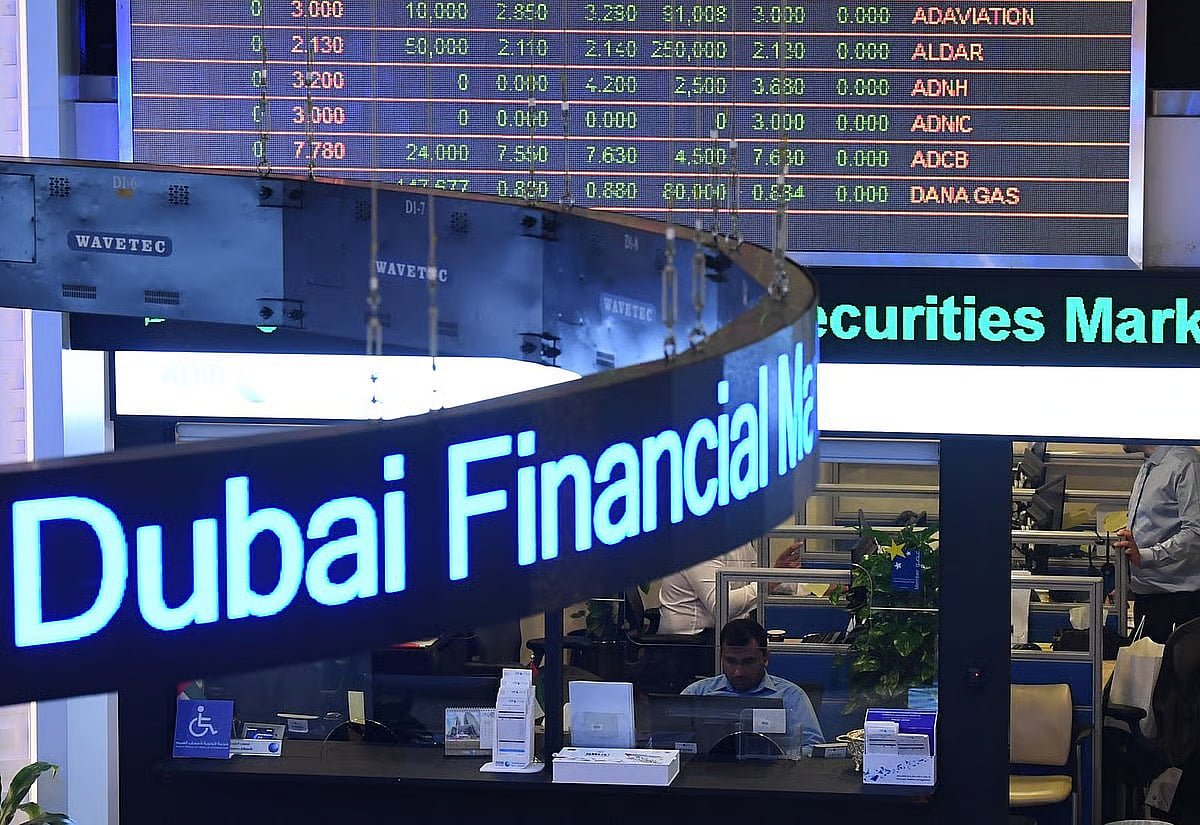
In a landmark step that underscores ongoing consolidation within the UAE’s financial services sector, Emirates Islamic Bank (EIB) announced its upcoming delisting from the Dubai Financial Market (DFM) following the successful acquisition of 100% of its shares by Emirates NBD. The delisting process, formally communicated on Monday, June 9, 2025, is set to take effect from Tuesday, June 10, with all remaining EIB shares re-registered under Emirates NBD by June 13.
The announcement follows the conclusion of a mandatory acquisition period that ended on June 7, 2025, during which no shareholder objections were raised. The acquisition was carried out in accordance with the terms outlined in the Offer Document dated February 27, 2025, under which Emirates NBD extended a cash offer of Dh11.95 per share for the remaining 0.11% stake in EIB—amounting to approximately Dh69.8 million.
A Milestone in Strategic Consolidation
This acquisition cements Emirates NBD’s full ownership of its Shariah-compliant subsidiary and supports its strategy to enhance operational efficiency and expand its Islamic banking footprint. As noted by Vijay Valecha, Chief Investment Officer at Century Financial, the acquisition aligns with Emirates NBD’s long-term objective of streamlining operations and consolidating brand strength, while continuing to uphold EIB’s trade name and commercial registration.
“The delisting does not suggest any systemic risk or weakness,” Valecha emphasized. “Rather, it reflects the strategic alignment of the bank within the Emirates NBD name, boosting investor confidence.”
Minimal Market Impact on Retail Investors
With only 0.11% of shares previously held by minority investors, the direct impact on the market and retail shareholders is expected to be limited. EIB shares were last traded at Dh10.35, while Emirates NBD closed at Dh21.85, down 1.1% on the day.
The three-month trading volume for EIB, at just 3,414 shares, pales in comparison to Emirates NBD’s volume of nearly 150 million, signaling that the market focus has long been directed at the parent company.
Nevertheless, Valecha acknowledged that the move removes one of the few publicly traded Shariah-compliant investment options from the DFM, potentially limiting choices for faith-based investors.
Financial Performance and Shareholder Guidance
Emirates Islamic has posted strong financial results in recent years, with net profit reaching a record Dh1 billion in Q1 2025, marking a 24% year-on-year increase. In 2024, the bank posted a profit before tax of Dh3.1 billion, and net profit of Dh2.8 billion, reflecting 46% and 32% growth, respectively.
In the wake of the delisting, EIB has advised shareholders who have not opted for a payment method with the Dubai Central Securities Depository (CSD) to update their information within six months in order to receive their cash consideration. After this period, payments will need to be arranged directly through Emirates NBD.
Not the First Delisting on DFM
While significant, EIB’s delisting is not without precedent. The DFM has witnessed other corporate exits in recent years. In 2023, Gulf General Investments Company was delisted following a prolonged trading suspension. The same year, Arabtec Holding and Marka Company were delisted due to liquidation. In the banking sector, Khaleeji Commercial Bank (KCB) from Bahrain was delisted in 2020.
A New Chapter for Emirates Islamic
EIB’s delisting marks the beginning of a new chapter under the complete ownership of Emirates NBD. The transition is being viewed by market analysts and stakeholders as a calculated and confident corporate move, focused on synergy, scalability, and operational alignment within one of the region’s most influential banking groups.
As Emirates NBD continues to consolidate its leadership in both conventional and Islamic banking spaces, the seamless integration of EIB under its full control may serve as a model for future strategic realignments in the UAE’s evolving financial landscape.