UAE Sees $34 Billion Crypto Surge as Middle East Emerges as Global Digital Asset Hub
With $34B in crypto inflows, the UAE cements its role as the Middle East’s digital finance leader—setting the stage for a region-wide blockchain boom and a future shaped by regulated innovation.
Driven by strategic regulation and rising investor appetite, the UAE leads a $34bn wave of crypto inflows, signalling the region’s transformation into a future-ready blockchain and digital finance ecosystem.
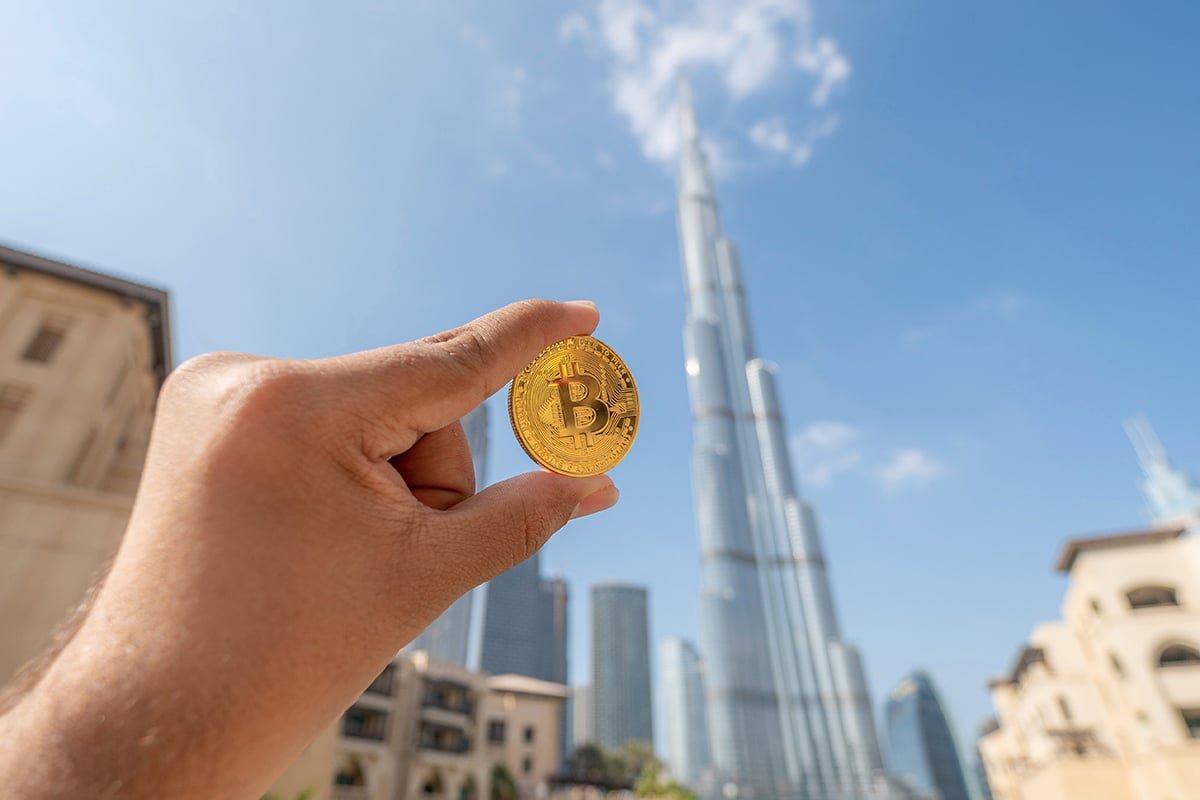
The United Arab Emirates has emerged as a key player in the global digital asset revolution, recording a massive $34 billion in crypto inflows last year, according to a new report by blockchain solutions firm Mining Grid. The findings underscore the UAE’s accelerating momentum in becoming a premier destination for blockchain innovation, cryptocurrency investment, and Web3 development.
This crypto surge reflects not just rising local interest, but also growing international confidence in the UAE’s forward-thinking regulatory framework and digital infrastructure. The country’s leadership in adopting crypto-friendly policies and establishing clear guidelines for exchanges and investors has placed it at the epicenter of the Middle East’s burgeoning digital asset landscape.
“The Middle East is no longer just crypto-curious — it’s crypto-committed,” the Mining Grid report states. “With Dubai and Abu Dhabi leading the charge, the region is rapidly shaping itself into a safe and scalable ecosystem for digital finance.”
UAE: A Magnet for Global Crypto Investment
The influx of $34 billion in digital assets last year highlights the growing trust global investors are placing in the UAE’s regulatory environment. Initiatives like VARA (Virtual Assets Regulatory Authority) in Dubai and ADGM (Abu Dhabi Global Market) in Abu Dhabi have played pivotal roles in setting high compliance standards while fostering innovation.
Leading global crypto firms including Binance, OKX, and Kraken have either established regional headquarters or received licensing in the UAE, a move that signals the country’s appeal as a crypto hub that offers regulatory clarity and operational security.
Expert Forecast: Middle East as a Blockchain Powerhouse
According to analysts at Mining Grid, this is just the beginning. The region is expected to witness exponential growth in blockchain adoption, DeFi platforms, and tokenized assets. They estimate that the Middle East’s digital asset market could surpass $100 billion in cumulative inflows by 2028, provided regulatory momentum continues and institutional adoption scales.
The UAE’s focus on blockchain as a cornerstone for smart governance — including initiatives such as blockchain-based land registries, health systems, and digital identities — further bolsters its ambitions. Experts predict this groundwork will position the region as a first-mover in integrating tokenized economies and digital currencies into mainstream financial services.
A Regional Ripple Effect
Neighboring countries such as Saudi Arabia, Bahrain, and Qatar are also beginning to scale up their crypto and blockchain engagement, launching pilot projects and exploring central bank digital currencies (CBDCs). The UAE’s success is expected to act as a model for others seeking to harness digital assets for economic diversification and financial inclusion.
Looking Ahead
As digital assets gain legitimacy and adoption globally, the UAE’s $34 billion milestone is more than just a financial figure — it represents the region’s readiness to lead in the next era of finance. With supportive regulation, robust infrastructure, and visionary leadership, the UAE is not only enabling crypto growth — it’s defining it.
Conclusion: The Middle East’s digital future is no longer speculative — it’s unfolding in real time. And with $34 billion in crypto inflows, the UAE has firmly positioned itself at the helm of this global transformation.