How Emirates Soared From Underdog to the World’s Most Profitable Airline
Marketing maestro Boutros Boutros reflects on 35 years of innovation, audacity, and branding brilliance that transformed Emirates from a regional carrier into a global aviation icon.
From bold beginnings to global dominance, marketing visionary Boutros Boutros reflects on 35 years of pioneering innovation, brand brilliance, and the unstoppable rise of Dubai’s flagship carrier.
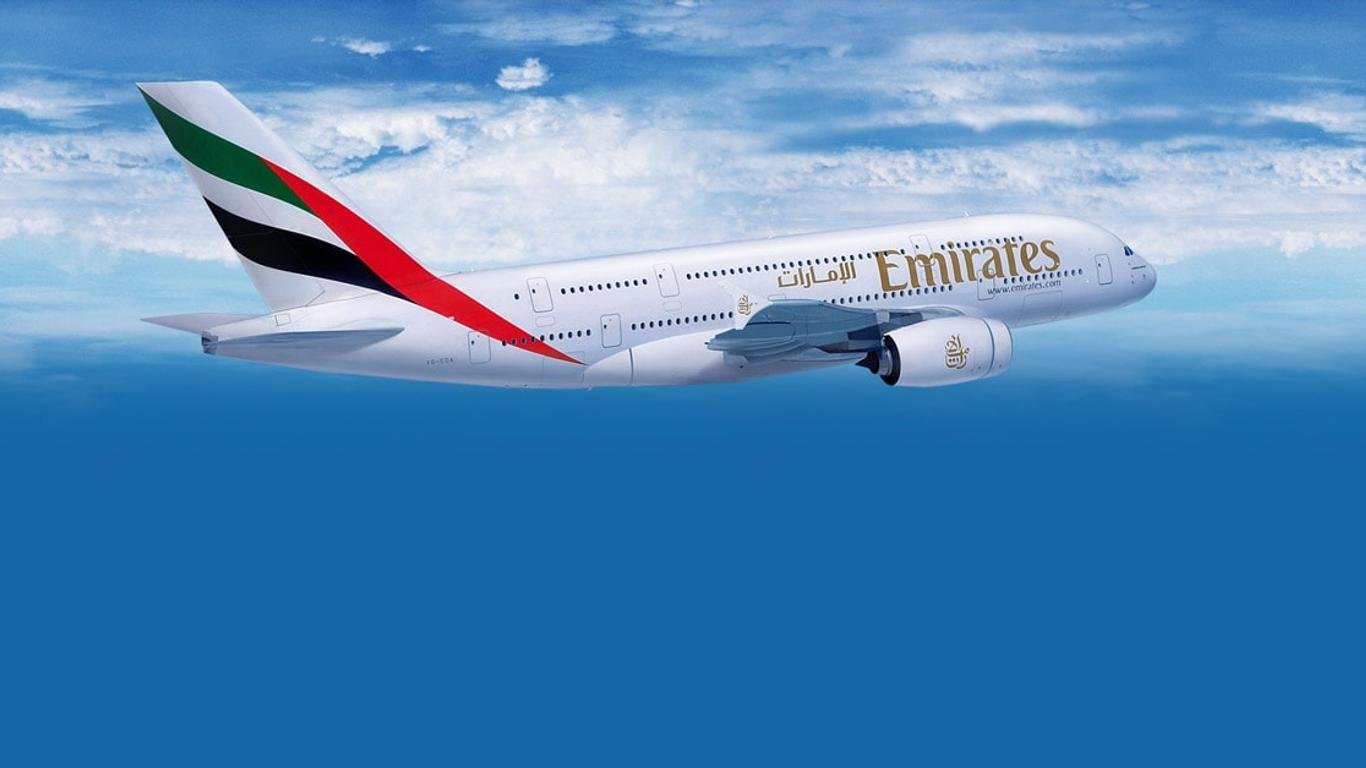
In 1985, when the Dubai government handed over a $10 million cheque to launch a small airline with just seven aircraft and 11 destinations, the world looked on with skepticism. Many dismissed it as a lavish but doomed experiment in a desert city with no oil reserves and no aviation legacy. But what those critics didn’t see was a bold vision — one that would eventually redefine global air travel.
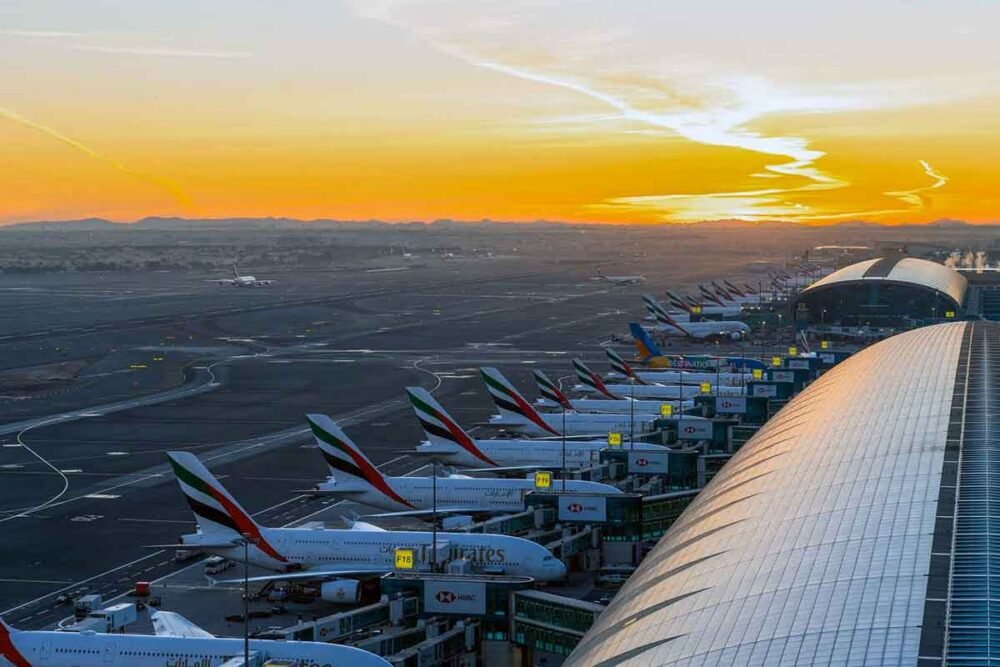
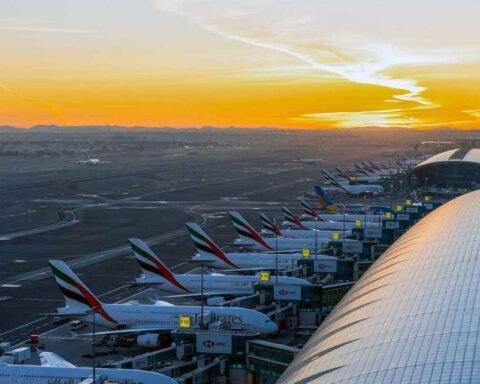
Today, Emirates stands tall as the most profitable airline in the world, reporting record-breaking pre-tax profits of Dh21.2 billion ($5.8 billion) in 2024, alongside revenues of Dh127.9 billion ($34.9 billion) and a cash reserve of Dh49.7 billion ($13.5 billion) — the highest in its history. Behind this remarkable ascent is a team of daring visionaries, including Boutros Boutros, the airline’s Executive Vice President of Corporate Communications, Marketing & Brand, who has spent 35 years shaping the Emirates story.
A Journalist-Turned-Visionary
Boutros first encountered Emirates at the Dubai Air Show in 1989 while working as a journalist in the UK. Captivated by Dubai’s ambition and potential, he joined the airline in 1991 — a leap of faith he calls “the best decision of my life.” At the time, few took the fledgling airline seriously. “They laughed at us,” he recalls. “They assumed it was just oil money.” But as Boutros quickly points out, Dubai has no oil — only determination, vision, and relentless pursuit of excellence.
Innovating the Skies
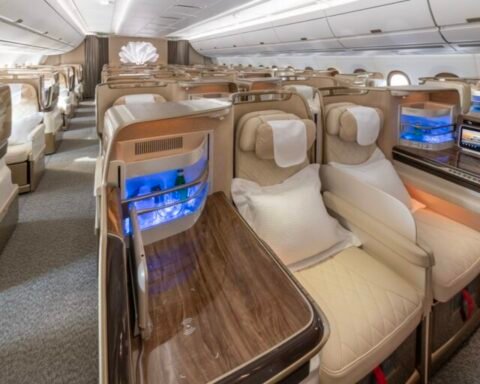
In 1992, Emirates became the first airline to introduce personal in-flight entertainment screens in every seat, even in economy — a move that revolutionized the passenger experience and stunned the industry. “They laughed at us all the way,” Boutros says. “But we were different, and that’s why we are successful.”
That spirit of innovation permeated every facet of the brand — from cabin crew training and customer service to bold investments in marketing and global sponsorships. Emirates didn’t just fly passengers; it created an experience, a feeling, a story.
The Power of Branding and Storytelling
Under Boutros’ leadership, Emirates’ marketing strategy has become legendary. Allocating 50% of its budget to sports sponsorship, Emirates has put its name on the shirts of football giants, partnered with rugby, cricket, NBA, horse racing, and tennis, and brought global stars like Penelope Cruz, Chris Hemsworth, and Cristiano Ronaldo into its campaigns.
One particularly daring move was a $150 million campaign with Jennifer Aniston — a decision initially questioned by the airline’s ad agency, which doubted her global recognition. “When you want to put $150 million behind a global campaign, you need courage,” Boutros says. It paid off, with millions reached and Emirates firmly positioned as a household name.
Still, he considers another campaign more impactful: the Burj Khalifa stunt for Expo 2020 Dubai, featuring a flight attendant standing atop the world’s tallest tower. Created with a modest budget of just Dh60,000, the campaign earned nearly 300 million views and later expanded into a full-scale global ad with 11 aircraft flybys.
From Emirates to Dubai — A Shared Success Story
The story of Emirates is also the story of Dubai’s global rise. “Emirates is not just a transport company,” said Sheikh Mohammed bin Rashid Al Maktoum after the airline’s record results. “It is a tool for economic transformation… a bridge connecting the world’s continents.”
Emirates now flies to over 150 destinations, helping fuel Dubai’s emergence as a tourism powerhouse. In 2023, the city was the third most visited in the world, welcoming 17 million international travelers and securing the top spot in Tripadvisor’s Travelers’ Choice Awards for a second year running.
Looking Ahead
As he addressed CMOs and marketing leaders at the TRIBE Marketing Summit 2025, Boutros emphasized the need for creativity, bravery, and curiosity in a fast-changing digital world. “You probably have a billion brands competing for the same small space online,” he noted. “You have to be much better to take that space.”
It’s that relentless mindset that transformed Emirates from a bold experiment into a strategic global brand and a key economic engine for the UAE. From in-flight screens and blockbuster ads to transforming global perceptions, Emirates has rewritten the rulebook for what an airline can be.
“We need to continue to be creative and progressive,” Boutros says. “And, most importantly, stay curious.” After 35 years, that curiosity still fuels Emirates’ flight path — and its skyward success shows no sign of slowing.