More than symbols of luxury, natural diamonds sustain millions of livelihoods, shape nations’ economies, and continue to shine at the heart of Dubai’s global rise.
Enduring Brilliance: Defending the True Value of Natural Diamonds
In a time when public perception can sway entire markets and opinions spread faster than facts, challenging misconceptions is not just important — it’s essential. This is especially true in the case of natural diamonds, which have long been targets of casual dismissals that overlook their cultural, technological, and economic significance.
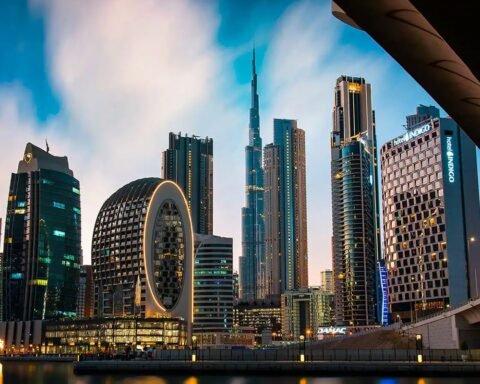
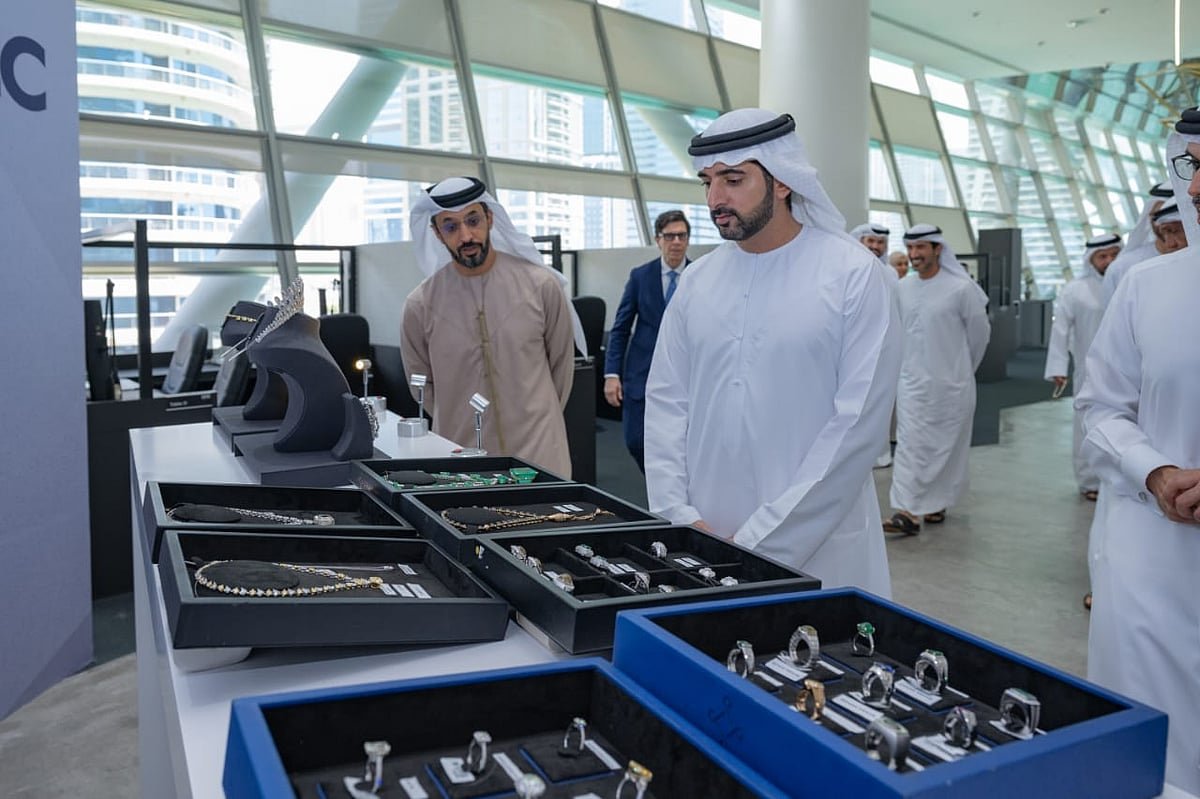
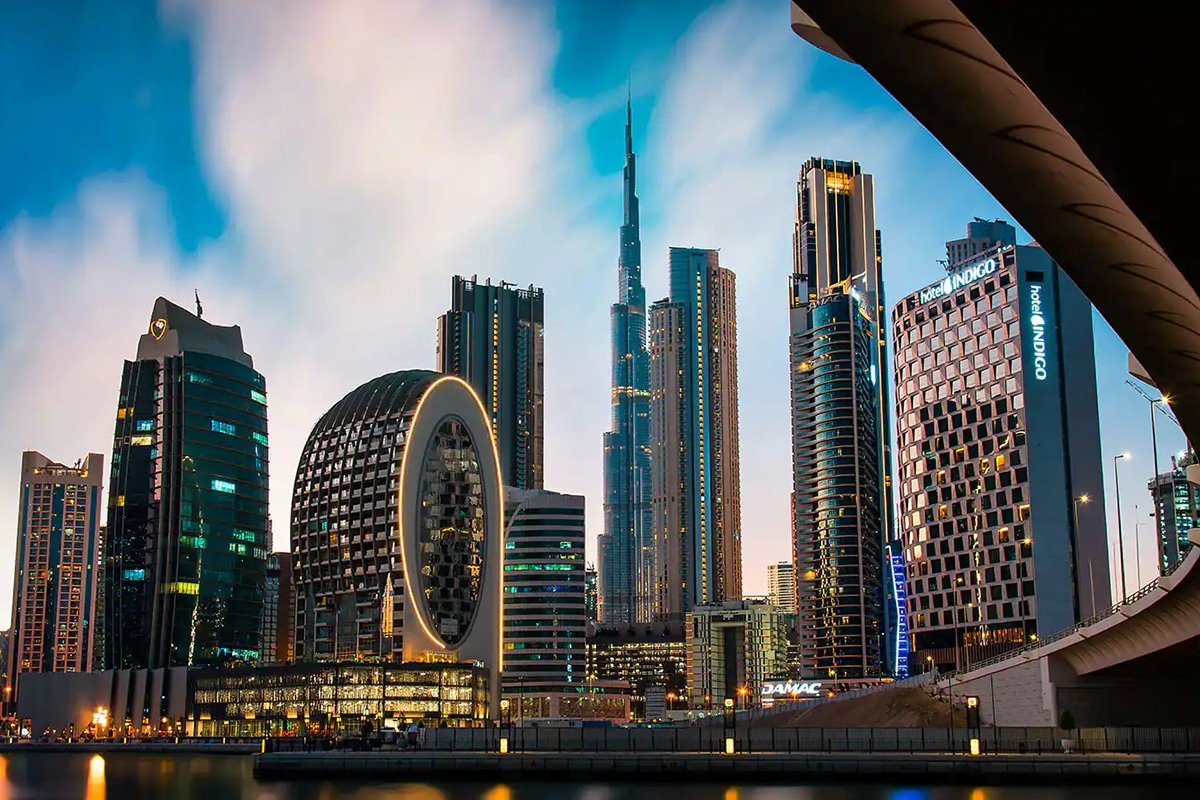
Few places embody the power and prestige of the global diamond trade like Dubai. That reality was on full display when Sheikh Hamdan bin Mohammed bin Rashid Al Maktoum, Crown Prince of Dubai and Chairman of the Dubai Executive Council, recently toured the Dubai Diamond Exchange (DDE). Located in the iconic Almas Tower — the world’s tallest diamond tower — DDE has traded over a billion carats in just five years, reaching a market value of $153.7 billion. Sheikh Hamdan later remarked that the DDE was among his favorite stops, a recognition of Dubai’s meteoric rise as the global diamond capital.
But even as the city celebrates this success, outdated narratives still persist. During that very tour, a senior visitor questioned whether diamonds have intrinsic value at all — a jarring moment of irony inside the epicenter of global diamond trade and the very catalyst for this reflection.
The Myth of Worthlessness: A Flawed Assumption
The notion that diamonds lack value not only betrays a lack of understanding, but also risks undermining one of the most influential and far-reaching industries in the world. Natural diamonds are revered not just for their physical beauty, but for what they symbolize: eternal love, achievement, and status. From red carpets to wedding aisles, diamonds remain at the cultural forefront of human celebration.
Moreover, as David Kellie, CEO of the Natural Diamond Council, rightly states, “No other stone holds the emotional currency of a diamond.” This emotional gravitas, combined with rarity and craftsmanship, makes diamonds one of the few commodities bought with the heart — but backed by real and enduring value.
A Legacy That Transcends Aesthetics
Historically, diamonds have shaped city skylines and national economies. DMCC itself was born from a $200 million sukuk, funding the development of Dubai’s landmark towers — Almas, Gold, and Silver. Across the Atlantic, New York’s International Gem Tower also stands as a tribute to this industry’s global imprint. Diamonds have built more than wealth; they’ve built infrastructure, careers, and communities.
Today, their utility goes well beyond ornamentation. Natural diamonds are being increasingly recognized as critical minerals due to their unmatched hardness, heat conductivity, and electrical properties. These characteristics make them indispensable in next-gen technologies like quantum computing, advanced medical tools, and sustainable energy systems. While lab-grown alternatives may suit industrial needs due to cost, the intrinsic value of natural diamonds — both as symbols and materials — remains untouched.
Human Capital: The Invisible Backbone
To dismiss the value of diamonds is to ignore the millions of people whose lives depend on the industry. In India alone, nearly 90% of the world’s diamonds are cut and polished — a massive ecosystem of skilled labor, centered in cities like Surat and Mumbai. In Africa, diamonds are lifelines: in Botswana, they account for 80% of exports and a third of national revenue, financing hospitals, roads, and schools.
Further downstream, the diamond value chain stretches across jewellery designers, artisans, traders, and retailers, touching virtually every continent. It’s not just about stones — it’s about people, families, and futures.
Dubai at the Epicenter
Dubai’s leadership in the diamond industry is unparalleled. As the only city to chair the UN-mandated Kimberley Process twice, the UAE is committed to ethical trade. The DMCC is home to over 1,000 diamond-related businesses, from global titans like GIA to innovative trailblazers.
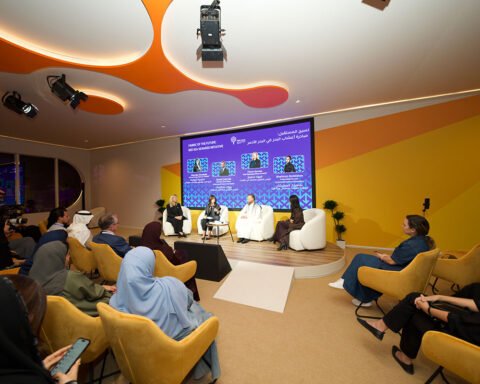
Events like the Dubai Diamond Conference, the LGD Symposium, and the upcoming KP Plenary solidify Dubai as the leading hub not only for rough diamond trading — having overtaken Antwerp — but also polished diamonds, where milestones like Rapaport’s 50,000-carat auction are now routine.
Facts vs. Flippant Opinions
In an age of artificial intelligence and open data, there is little room for ignorance. Public figures and industry leaders must recognize the power of their words. As Martin Rapaport wisely noted, “Diamonds are a store of value.” Platforms like RapNet clearly demonstrate market pricing and reinforce transparency — long before the markup of luxury brands.
The narrative must shift from oversimplified comparisons and uninformed opinions to fact-based, nuanced discussions. Natural diamonds are not just valuable — they are vital. Vital to tradition. Vital to innovation. Vital to the economies and lives they support.