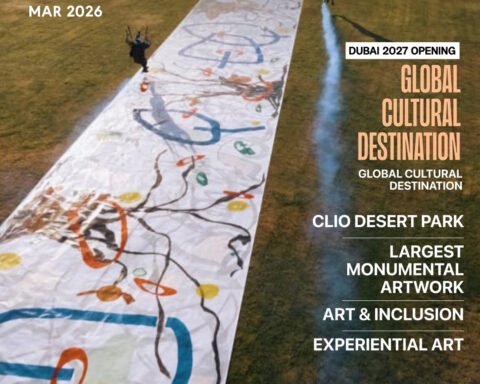





In the vast stillness of the Dubai desert, a cultural landmark of unprecedented scale is taking form. CLIO is not simply an art installation. It is a living, breathing narrative that spans ten kilometres and traces the story of humanity through movement, sensation, and participation. Conceived as an immersive journey rather than a static exhibition, CLIO invites the world to walk through history, emotion, and shared memory inside one of the planet’s most powerful natural landscapes.
From 2027 onwards, CLIO will come to life within the CLIO Desert Park, a one million square metre expanse of desert transformed into what will become the largest work of art ever created. Here, art unfolds across space and time, forming a continuous experience where nature, technology, and human expression converge. The central theme guiding the entire project is inclusion. Every step of the journey is designed to invite reflection, emotion, and active engagement, making each visitor a participant rather than a spectator.
The ten kilometre route will be enriched with interactive installations, sensory environments, and moments of cultural exchange. Visitors will encounter spaces that respond to light, sound, and movement, turning the desert itself into a narrative medium. Prominent global figures, institutions, and international celebrities, including iconic personalities from the world of sport, will be invited to leave a graphic mark and signature along the route. Their contributions will become part of a collective artwork, weaving individual identities into a shared human story.
The Artist’s Vision
The creative force behind CLIO is Agron Hoti, an internationally recognised contemporary visual artist whose work is rooted in personal experience and universal symbolism. Born in Albania and shaped by a life of travel across continents, Hoti has developed a distinctive abstract language capable of translating memory, evolution, and cultural transition into visual form.
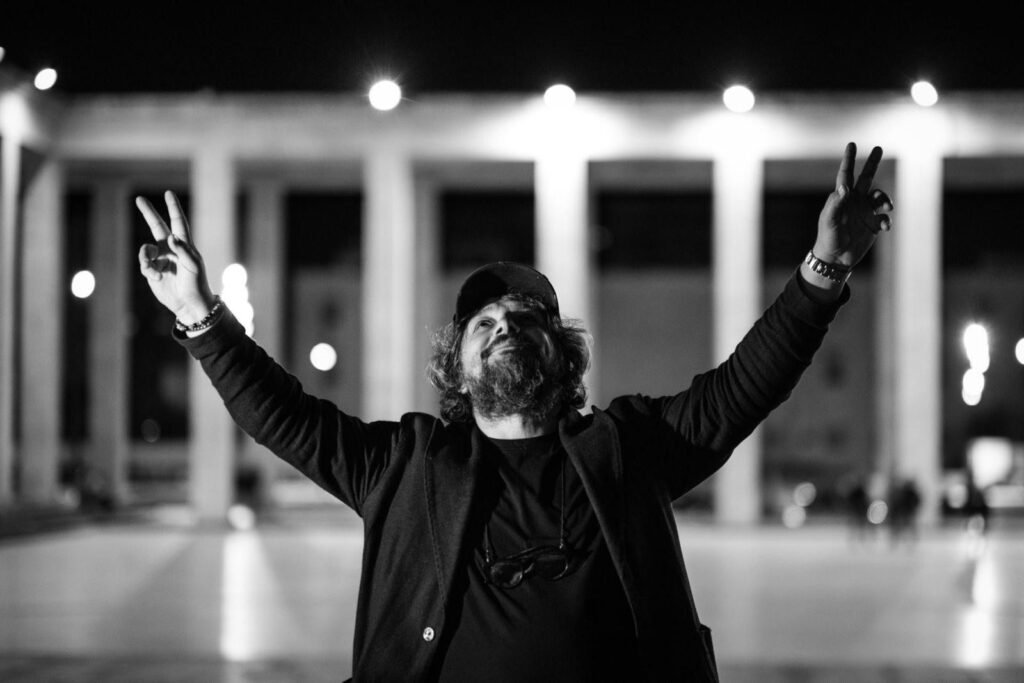
With CLIO, he embraces an extraordinary challenge: transforming ten kilometres of desert into a continuous canvas. His abstract compositions become chapters in a larger narrative, reflecting stages of human evolution, traces left by civilizations, and aspirations shared across cultures. Each segment of the installation draws from Hoti’s encounters with diverse landscapes and societies, creating a bridge between the deeply personal and the globally collective.
Architecture as Experience
The spatial and architectural vision of CLIO is led by Matteo Antonelli, whose philosophy is rooted in observing nature and shaping space through light and material poetry. In this project, architecture does not frame the artwork but becomes part of it.

Antonelli has designed pathways, viewpoints, and contemplative pauses that merge perception of the desert with the artwork itself. Visitors will experience CLIO on multiple levels: walking through it, observing it from afar, and reflecting within carefully orchestrated moments of stillness. Every visit will be unique, shaped by light, time, and the individual’s interaction with the space.
Preserving Art in an Extreme Landscape
Creating a monumental artwork in the desert presents a fundamental challenge: endurance. Ensuring the stability and integrity of CLIO in such an extreme environment requires exceptional expertise. This responsibility has been entrusted to Cinzia Pasquali, one of the world’s most renowned art conservators.
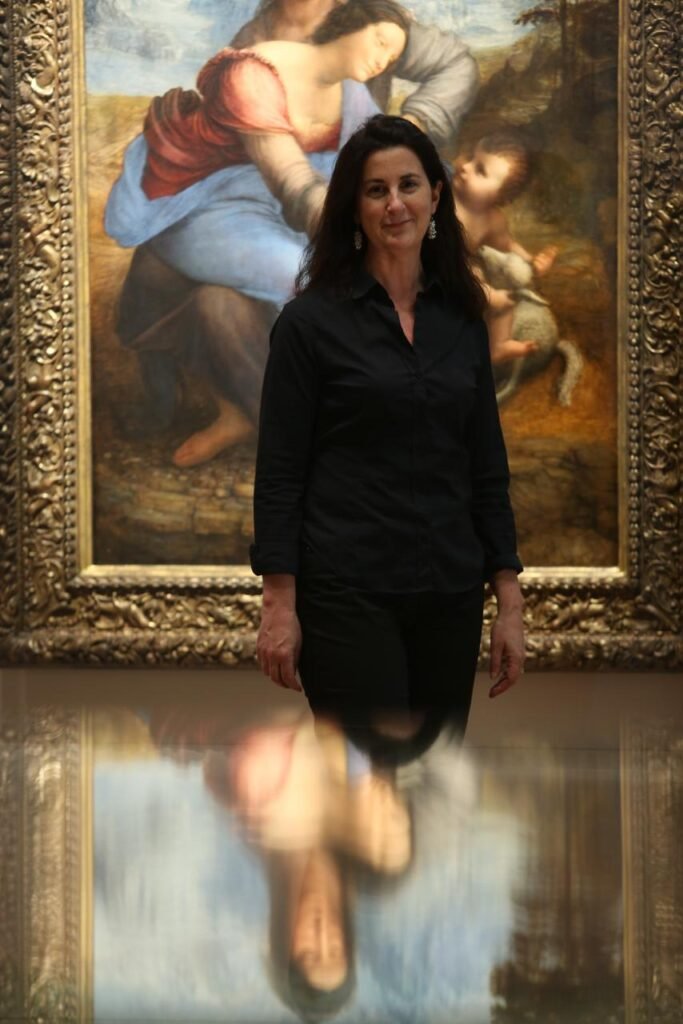
Pasquali is widely celebrated for leading what has been described as the restoration of the century, the conservation of Leonardo da Vinci’s Saint Anne, the Virgin and Child at the Musée du Louvre. From the earliest stages of CLIO, she is developing conservation strategies tailored to the desert climate and the unique materials involved. Her work ensures that the installation can endure and evolve over time without compromising its artistic integrity.
Clio House
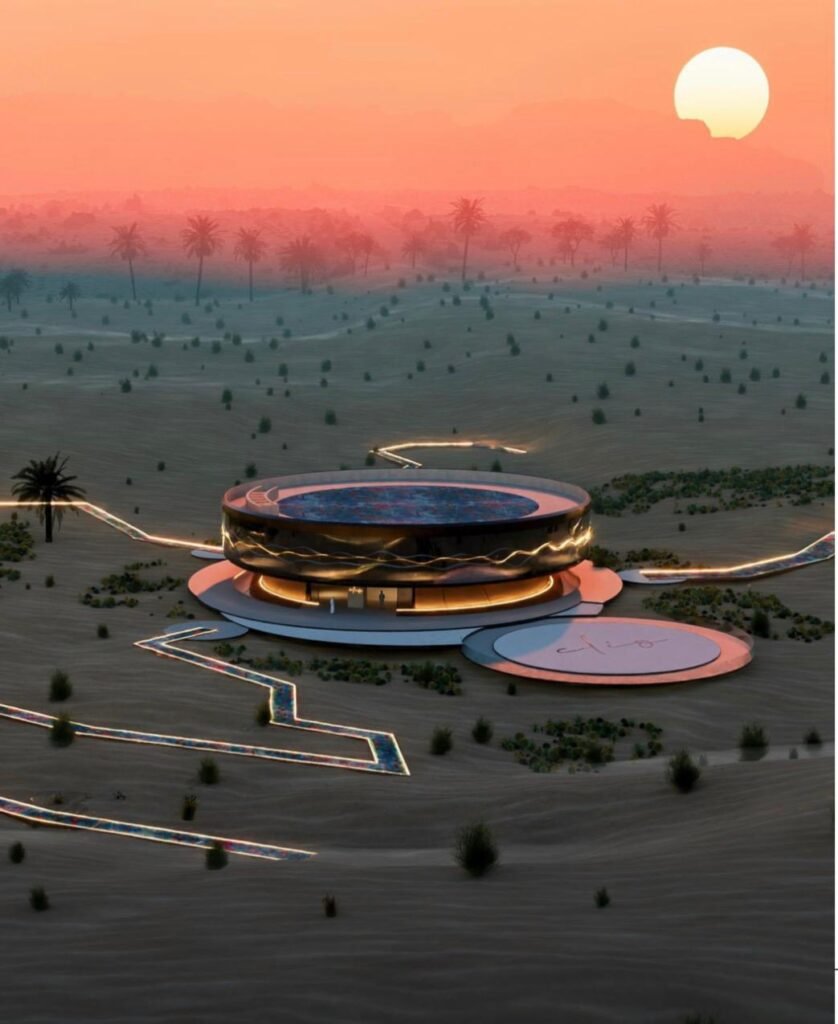
At the heart of the route will stand Clio House, a cultural nucleus designed as a platform for international dialogue. This space will host conferences, workshops, exhibitions, and meetings that bring together artists, institutions, and visitors from around the world. More than a logistical centre, Clio House represents the beating heart of the project, a place where art opens into education, reflection, and shared experience.
A Global Cultural Vision
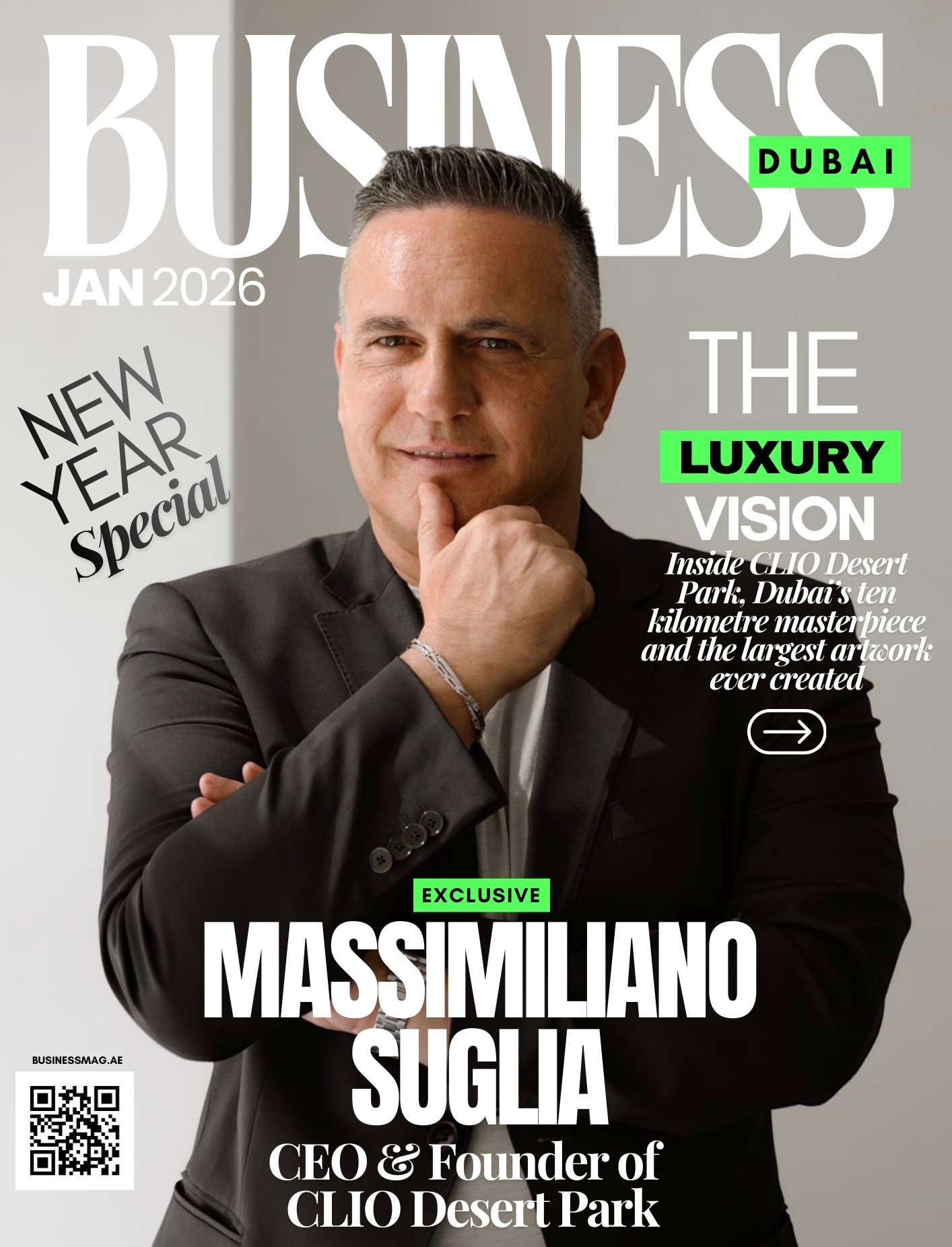
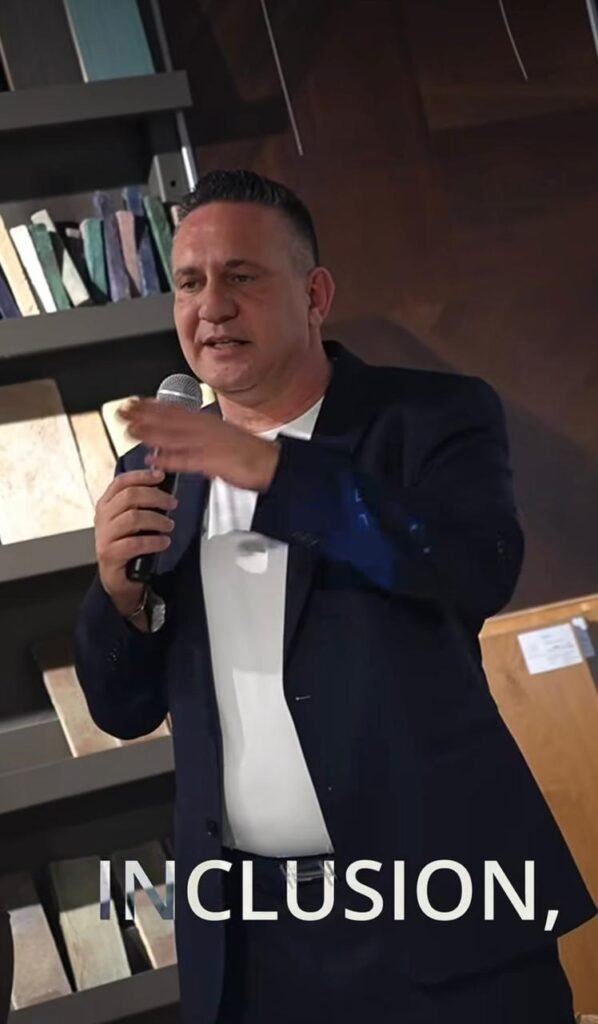
Leading CLIO is Massimiliano Suglia, CEO and Founder of the project. An entrepreneur and international executive with experience across sport, culture, and business, Suglia coordinates CLIO’s artistic, architectural, institutional, and relational dimensions. His cross-disciplinary leadership underpins the project’s ambition to become a global cultural reference point, capable of attracting international partners, media attention, and visitors from every corner of the world.
The First Public Step
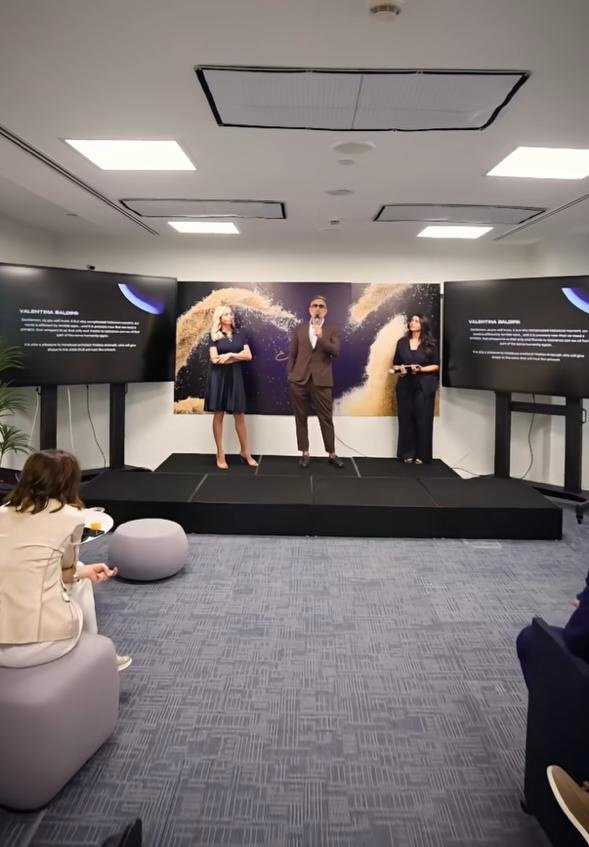
The official presentation of CLIO will take place on Thursday, 9 January, in Dubai, during an invitation-only event for press and selected guests at L’Amo Bistro del Mare. This moment marks the first public chapter in a journey leading toward the opening of the CLIO Desert Park in 2027.
When complete, CLIO will stand as more than the world’s largest artwork. It will redefine how humanity engages with art, landscape, and collective memory. Rising from the desert, CLIO is destined to leave a lasting imprint not only on the sands of Dubai, but on the cultural consciousness of the world.
Instagram @cliodesert

- DIA Holding and Khabib Nurmagomedov Announce Long-Term Strategic Partnership in the UAE
- Doctor Vardan: Precision as Power in Dubai’s Luxury Healthcare Economy
- Mauro Sasso : The Strategy Behind a Global Industrial Services Group
- How Vision Club Helps Russian-Speaking Entrepreneurs Adapt Faster in the UAE