


Ali Gasymov is a young IT entrepreneur and programmer who has turned a simple school-era idea into an international product used by creators across the world. His browser extension, YouTube Tags, has surpassed 100,000 users, helping YouTube channel owners streamline their workflow and improve video discovery. Today the extension’s audience spans multiple markets, with particularly strong demand coming from creators in Japan, the United States, and Brazil.
The story began when Ali built the first version of YouTube Tags at just 16 years old, while still in high school. After graduation, he chose a direct professional path: instead of enrolling in university, he started working as a developer and continued to refine the project in parallel. Over time, what started as an experiment evolved into a practical tool adopted by a growing global community of content creators.

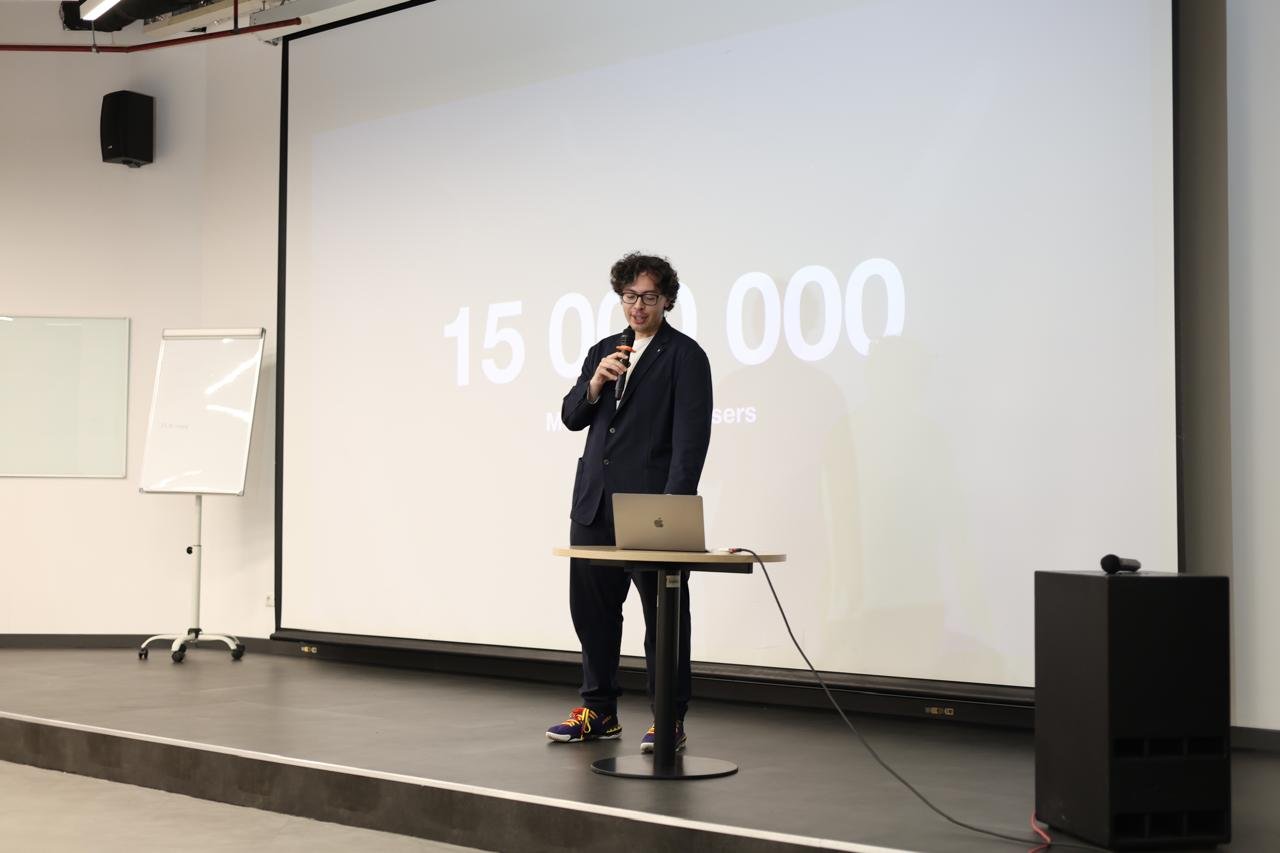
Alongside product development, Ali became an active contributor to the tech ecosystem. He spoke at major industry events, including VolgaJS 2020, Hot Frontend 2021, and HolyJS 2022, widely recognized as one of the largest frontend conferences in the CIS region. His work has also extended into open source: one of his notable achievements was developing the Telegram protocol in JavaScript, released publicly under the name @mtproto/core.
Despite a broad technical portfolio, YouTube Tags remained his priority—and one key moment proved decisive. During a major YouTube interface redesign, Ali quickly rebuilt and updated the extension on his own. That fast response allowed the product to stay fully functional, outpace competing tools, and retain a leading position while others struggled to adapt.
Since then, the project has continued to expand. YouTube Tags added support for the 10 most widely used global languages and became available across major browsers, including Chrome, Firefox, Opera, and Microsoft Edge. This accessibility helped the extension scale internationally and made it easier for creators in different regions to integrate it into their daily workflow.
Today, YouTube Tags is positioned as a productivity tool for YouTubers aiming to optimize the preparation and packaging of content. The extension is used by bloggers and creators from a wide range of niches, and its strongest user growth is driven by markets where content competition is especially intense.
“What began as a hobby is turning into a real business,” Ali Gasymov notes. “YouTube channel owners are a highly solvent audience.” According to him, the project is now entering an important phase: identifying the most effective monetization strategy—or potentially exploring acquisition interest from larger industry players.
Ali believes the long-term outlook for YouTube Tags remains strong, given the global growth of video content, the increasing professionalism of creators, and the wider expansion of the digital creator economy. Alongside product development, he continues to share expertise with the professional community and plans to build more tools for an international audience.
Instagram: https://www.instagram.com/ali.edtech/